By James Wandera Ouma
Before I became an activist, before I started speaking about LGBTQ+ rights, before human rights advocacy became my life’s work, I was a person deeply involved in religion.
I worked in the church. I served as a translator. I was committed to my faith, and I was working towards becoming a pastor.
I had a future I believed in.
I had a place where I belonged.
I had people around me.
I had connections.
I believed I knew where my life was going.
Then people began to realize that I was different.
Not necessarily different from the person I had always been, but different from what they expected me to be.
That was when everything changed.
When people stopped seeing me
I was rejected.
I was cursed.
I was thrown out.
I lost connections with people I had known and trusted. Friends disappeared. The future I had imagined began to disappear with them.
Coming out cost me almost everything I thought I had.
The person who had once been welcomed became unwanted.
The person who had served others became someone people could no longer accept.
The person who had been working towards becoming a pastor was suddenly seen through a completely different lens.
I felt as though I had stopped being a human being in the eyes of the people around me.
I became an animal.
I became a criminal.
I became useless.
Hopeless.
Unwanted.
Unacceptable.
Valueless.
An abomination.
Those are not just words to me. They describe what it felt like to have my humanity stripped away because people discovered something about me that they did not expect.
I ceased being the person they knew.
I became the identity they believed I represented.
I lost freedom.
I lost belonging.
I began to feel that I no longer deserved justice.
And this is something I want people to understand about LGBTQ+ discrimination: sometimes the greatest harm is not only what someone does to you. It is what repeated rejection makes you begin to believe about yourself.
When everyone around you tells you that you are wrong, dirty, sinful, dangerous, unacceptable or worthless, it becomes difficult to continue believing that you have value.
When you are rejected by people you love, it affects your mind.
When you lose your friends, it affects your sense of belonging.
When you are denied education, your future becomes uncertain.
When you lose your home, survival becomes the immediate priority.
And when all these things happen because of something you cannot simply change about yourself, it can feel as though your life has been taken away while you are still alive.
You become a walking dead person.
You are physically here, but the future you imagined is disappearing.
The harm moves from the mental to the physical. It affects how you sleep, how you think, how you relate to people, how you work and how you imagine tomorrow.
For years, I lived with these experiences.
But there was one moment that changed something inside me.
The day I was arrested
I was arrested simply for being gay.
Later, I was charged with promoting homosexuality.
I remember being in custody, afraid, scared, threatened and terrified. I did not know what would happen to me. I did not know what the next day would bring.
What stayed with me was the reality that I had not been arrested because I had harmed another person.
I was being treated as a criminal because of who I was.
That experience forced me to ask myself a question that I could no longer ignore:
If this can happen to me simply because I am who I am, what happens to all the other people like me who have nobody to speak for them?
That was the moment something changed inside me.
I remembered the teachings of the Bible about not resting until our people are free. Those words became personal to me.
I made a decision.
I would dedicate my life to the lives of other people like me — for us, and for the generations that would come after us.
I became ready to give my life to this struggle.
Not because I wanted a title.
Not because I wanted a position.
Not because I thought activism would make my life easier.
I chose it because I had experienced what happens when people are denied their humanity, and I could not accept watching other people go through the same thing.
Eighteen years of advocacy
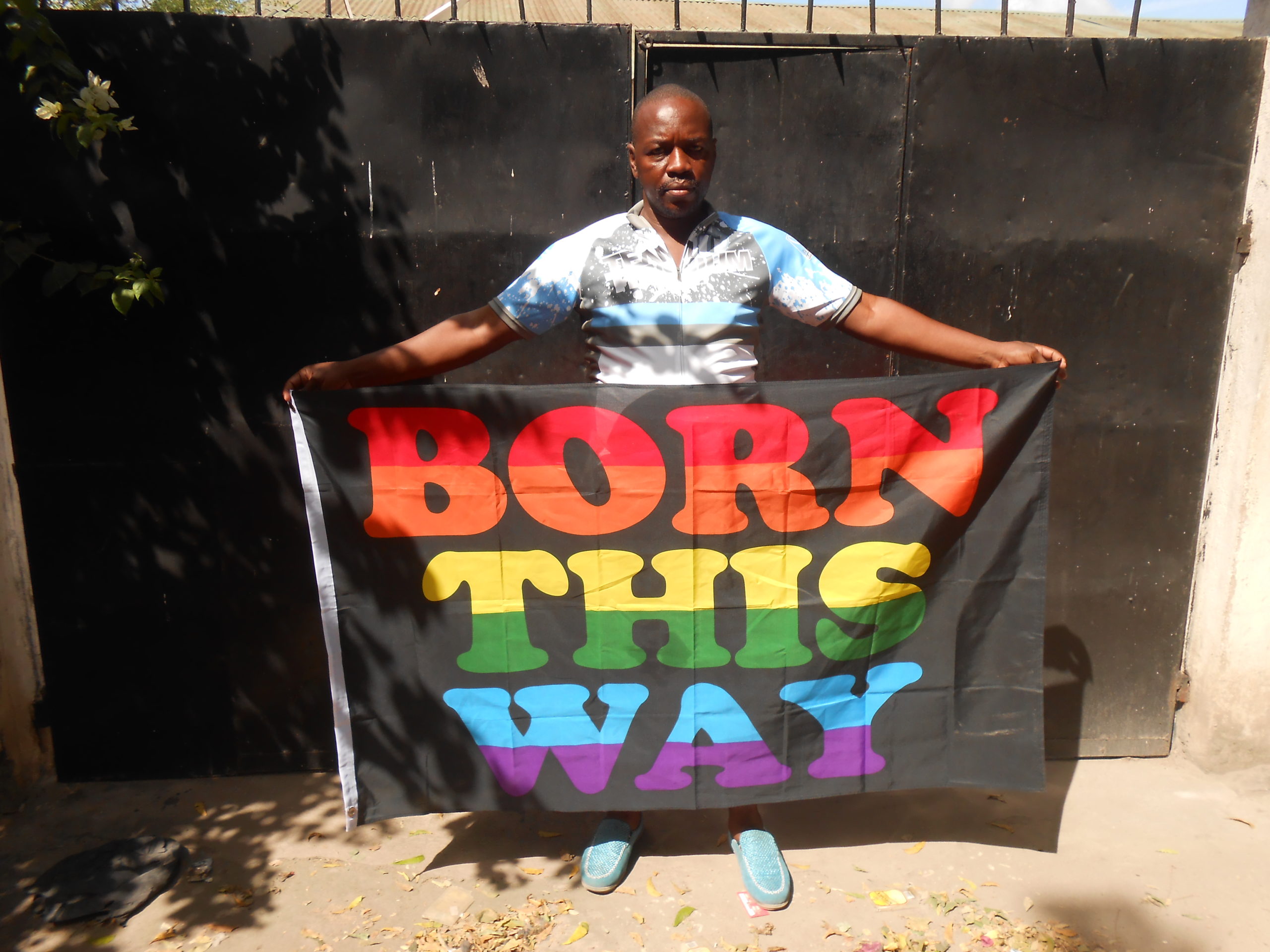
For the past 18 years, I have worked as an activist and LGBTQ+ rights advocate.
My activism did not begin in a conference room. It began with my own life.
It began with rejection.
It began with losing things I thought I would have for the rest of my life.
It began with being treated as though my identity had made me less human.
And after all these years, I have learned something that continues to trouble me deeply:
Myths and perceptions can control almost everything around us.
They can determine how people see us.
They can determine whether families accept us.
They can determine whether communities protect us or reject us.
They can influence institutions.
And they can even influence the laws that govern our lives.
People often do not hate LGBTQ+ people because they know us.
They hate the person they have been taught to believe we are.
When belief becomes perception
People hear certain things repeatedly from religious leaders, families and communities. Over time, these messages can become what people believe to be the truth.
They may never question them.
They may never take the time to know an LGBTQ+ person personally.
Yet they already believe they know who that person is.
When religion talks about Sodom and sodomy, people can begin to see LGBTQ+ people primarily through the idea of sexual acts.
When religion talks about man and woman, society can begin to forget the many ways human beings experience identity, sexuality and life.
And sometimes these perceptions do not remain in religious teaching or personal belief.
They enter our institutions.
They enter our public conversations.
And sometimes they enter the laws we make.
Religion talks about sodomy, and the law becomes focused on sodomy.
Religion talks about man and woman, and the law can forget the identities and realities of people who do not fit within that simple understanding.
Somewhere in this process, humanity is lost.
They see what they think I am
I know this because I experience it myself.
When some people look at me, they do not see me.
They see what they think I do in the closet.
They may imagine my sexual life. They may think I am dirty because they believe I have anal sex. They may think there is something wrong with my mental health. They may believe that I chose my sexual orientation and that I have the power to simply change it.
They may look at the way I dress, speak or move and believe that these things tell them everything they need to know about me.
But they do not know me.
They know what they have been taught to think about someone like me.
There is a big difference.
I am more than my sexual orientation.
I am more than what someone imagines I do in private.
I am more than a label.
I have a life.
I have responsibilities.
I have hopes.
I have fears.
I have people I love.
I have contributed to my community.
I have spent 18 years working to help other people.
I was once someone who served in a church, translated for others and believed I was preparing for a life as a pastor.
That person did not disappear when people discovered my sexual orientation.
I was still the same human being.
What changed was how people saw me.
What does society expect me to do?
After everything I have experienced, I still ask myself one question:
If I cannot change who I am, what does society expect me to do?
Disappear?
Live a lie?
Give up my education?
Give up my home?
Give up my future?
Give up the people I love?
Stop being myself so that other people can be comfortable?
What exactly is expected of someone like me?
I have spent 18 years trying to answer that question, not only for myself but for the people who come after me.
I could have allowed rejection to destroy me.
I could have accepted the idea that I was worthless.
I could have disappeared.
Instead, I chose to speak.
I chose to serve.
I chose to stand with others.
Because I know what it feels like to have people tell you that you are not worthy of love, dignity, education, a home, justice or a future.
And I do not want the next generation to inherit that same pain.
I want people to see the human being
I want a young LGBTQ+ person to be able to discover who they are without believing that they have lost their right to be human.
I want them to know that coming out should not mean losing their education.
It should not mean losing their home.
It should not mean losing their family.
It should not mean losing their future.
And it should never mean losing their humanity.
I am not asking everyone to have the same beliefs.
I am asking people to look beyond the assumptions they have been given and take the time to see the human being standing in front of them.
Because when we stop seeing people as human beings and start seeing them only through myths, stereotypes and assumptions, it becomes much easier to reject them, exclude them and deny them their rights.
For me, this is not an academic discussion.
I have lived it.
I know what rejection can do to a person.
I know what it means when people talk about you without knowing you.
I know what it means when doors begin to close because of something you cannot simply change about yourself.
And I know what it means to watch other LGBTQ+ people experience the same pain.
That is why I continue.
Not because I believe I can change everyone.
Not because I expect everyone to agree with me.
But because I know what it feels like to be rejected, and I know what it means to survive that rejection.
I know that behind every label there is a human being.
Behind every stereotype there is a person.
Behind every assumption there is a life that someone has not taken the time to understand.
So when you look at me, please do not look for the person you have been told to see.
Look at me.
Talk to me.
Know me.
And then decide who I am.
Because I am not who you think I am.
I am who I am.
And I will continue to stand with others who are still trying to be seen, heard and treated as human beings.
Stand with us. Help us make sure no one has to face this journey alone.
Your support helps LGBT Voice Tanzania continue standing with LGBTQ+ people facing rejection, discrimination, violence, legal challenges and other difficult circumstances.
Stand with us. Help us protect dignity, hope and the right to live.