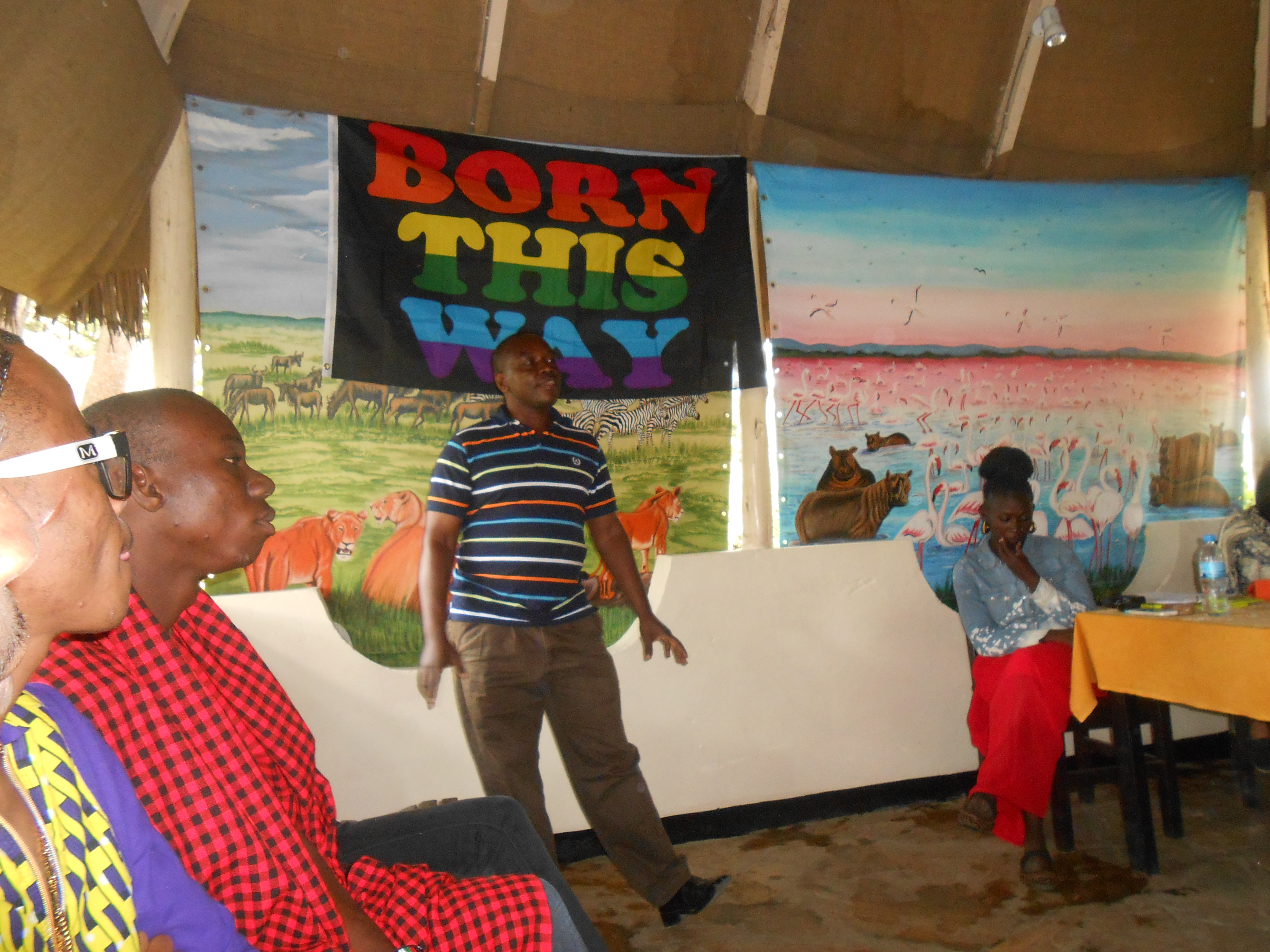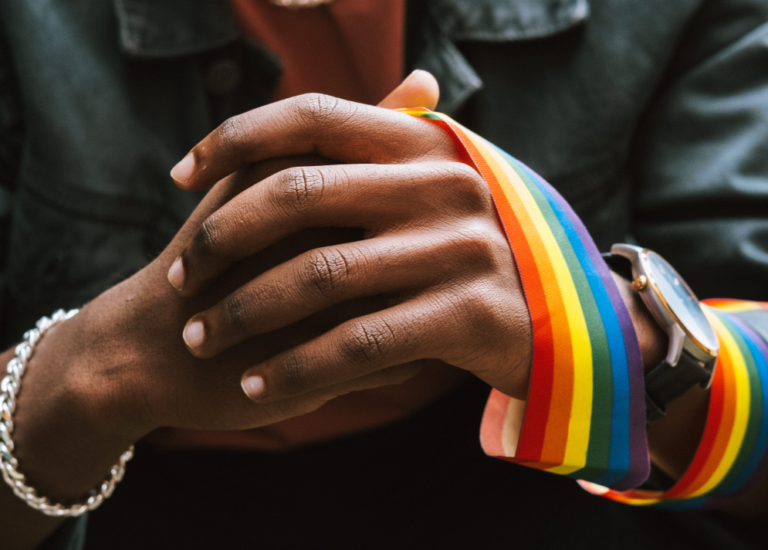

Would you sit at a table and calmly debate whether you deserve freedom, dignity, or the right to love? Would you agree to compromise on whether your very existence is legitimate?
For LGBTQ+ people in Tanzania, this is not a hypothetical question. It is a daily reality. Our lives, safety, and humanity are too often treated as topics for negotiation — by politicians seeking votes, by communities clinging to prejudice, and by systems that criminalize our very identities.
At LGBT Voice Tanzania, we say clearly and unapologetically: LGBTQ+ rights are not negotiable. They are human rights.
The Tanzanian Reality: When Existence Becomes a Crime
In Tanzania, same-sex relationships remain criminalized under Sections 154–157 of the Penal Code, colonial-era provisions that carry sentences of up to life imprisonment (Tanzania Penal Code, Cap. 16). These laws are not dormant — they are actively used to intimidate, harass, and persecute LGBTQ+ people.
International human rights organizations have consistently documented abuses:
- A 2017 Human Rights Watch report recorded widespread arrests, forced anal examinations, and harassment of LGBTQ+ people in Tanzania.
- In 2018, regional authorities in Dar es Salaam launched a campaign to “hunt down” gay men, leading to fear, flight, and heightened violence (Amnesty International, 2018).
- The U.S. Department of State’s 2023 Human Rights Report highlights continued discrimination, arbitrary arrests, and lack of access to justice for LGBTQ+ Tanzanians.
Beyond the law, stigma infiltrates daily life. Families disown their children. Schools expel students who dare to be themselves. Employers quietly reject qualified candidates because of who they are or who they love.
LGBTQ+ people live in constant fear:
- Fear of arrest during routine police raids.
- Fear of violence on the streets or in their own homes.
- Fear of being “outed” and losing everything overnight.
And yet, amid this fear, we continue to live, love, and resist.
Stigma Is Not a Debate — It Is Violence
Too often, we hear arguments framed as if our humanity is up for debate. “It’s against our culture.” “It’s against religion.” “Society is not ready.”
Let us be clear: stigma and discrimination are not cultural values — they are forms of violence. They strip people of dignity, opportunities, and safety.
There is nothing “cultural” about watching a teenager thrown out of their home simply for being gay. There is nothing “religious” about denying healthcare to a transgender woman because of who she is. And there is nothing “traditional” about using laws as weapons against citizens who simply exist.
Resilience in the Face of Injustice
Despite hostile laws and widespread stigma, LGBTQ+ people in Tanzania have shown remarkable resilience.
- Community Support: Networks of LGBTQ+ activists provide shelter, counseling, and solidarity to those in crisis.
- Health Access: Against resistance, organizations like ours have fought to ensure LGBTQ+ people can access HIV services and trauma counseling without fear.
- Visibility: Every voice raised — in courtrooms, online platforms, or whispered among friends — is an act of defiance against erasure.
Resilience, however, should not be mistaken for acceptance. No community should have to prove how strong they are in order to deserve rights. We do not survive because conditions are fair — we survive despite systematic attempts to erase us.
Why We Refuse to Negotiate
Human rights are universal, indivisible, and inalienable. The Universal Declaration of Human Rights (1948) affirms that “all human beings are born free and equal in dignity and rights.” The African Charter on Human and Peoples’ Rights guarantees equality before the law and freedom from discrimination.
When society treats LGBTQ+ rights as negotiable, it sets a dangerous precedent: that some lives are worth less than others. But if rights can be stripped from one group, they can be stripped from anyone.
We will not bargain over whether it is acceptable to love who we love. We will not compromise on whether it is safe for us to walk down the street. We will not debate whether our identities are “valid.”
Would you negotiate your own right to exist? Neither will we.
The Role of the Global Community
Injustice anywhere is a threat to justice everywhere. The criminalization of LGBTQ+ people in Tanzania is not only a local issue — it is a human rights crisis that demands international solidarity.
We call on:
- Global leaders to hold Tanzania accountable for its human rights obligations under treaties such as the International Covenant on Civil and Political Rights (ICCPR) and the Convention Against Torture (CAT).
- Civil society and donors to support organizations like LGBT Voice Tanzania that provide life-saving services and advocacy.
- Every ally worldwide to amplify our voices, challenge misinformation, and stand visibly with us.
Your silence enables oppression. Your solidarity strengthens our fight.
A Call to Action
LGBTQ+ Tanzanians should not have to ask for permission to exist. We should not have to justify our humanity. Our rights are non-negotiable.
Here’s how you can take a stand today:
- Share this article to amplify the message that LGBTQ+ rights are human rights.
- Support LGBT Voice Tanzania through donations, partnerships, and advocacy.
- Challenge discrimination wherever you see it — online, in policy, or in your community.
Conclusion
The question is simple, yet profound: Would you negotiate your own right to exist?
If your answer is no, then stand with us. Refuse to compromise on equality. Speak loudly, share widely, and demand a world where every person — regardless of their sexual orientation or gender identity — lives with dignity, safety, and freedom.
Because until LGBTQ+ people everywhere are free, none of us are truly free.
✊🏳️🌈
References:
- Tanzania Penal Code, Cap. 16, Sections 154–157
- Human Rights Watch (2017), “If We Don’t Get Services, We Will Die”: Tanzanian Government’s Attack on the Right to Health of LGBT People
- Amnesty International (2018), Tanzania: Authorities Must Rescind Plan to Hunt Down Gay People
- U.S. Department of State (2023), Tanzania 2023 Human Rights Report
- United Nations, Universal Declaration of Human Rights (1948)
- African Commission on Human and Peoples’ Rights, African Charter on Human and Peoples’ Rights (1981)