
In Tanzania, the promise of justice is not equally distributed. For many LGBTQ+ individuals, the legal system is not a source of protection but a tool of punishment. The Penal Code, a colonial-era law, continues to criminalize same-sex intimacy, fostering fear, discrimination, and widespread human rights violations.
This legal reality creates a climate where LGBTQ+ people live with constant anxiety: afraid to walk freely, to work openly, to study without discrimination, or even to seek protection when they face violence. Instead of defending their dignity, the law too often stands as a barrier.
Every day, members of the LGBTQ+ community face police harassment, workplace discrimination, school expulsions, and arbitrary arrests. Without legal protection, the community is systematically made vulnerable — not just to violence, but to institutionalized silence.
A Case That Reveals the Truth: Mwarami’s Story
To understand why a Legal Agency Pathway is critical, we must confront the human cost of criminalization.
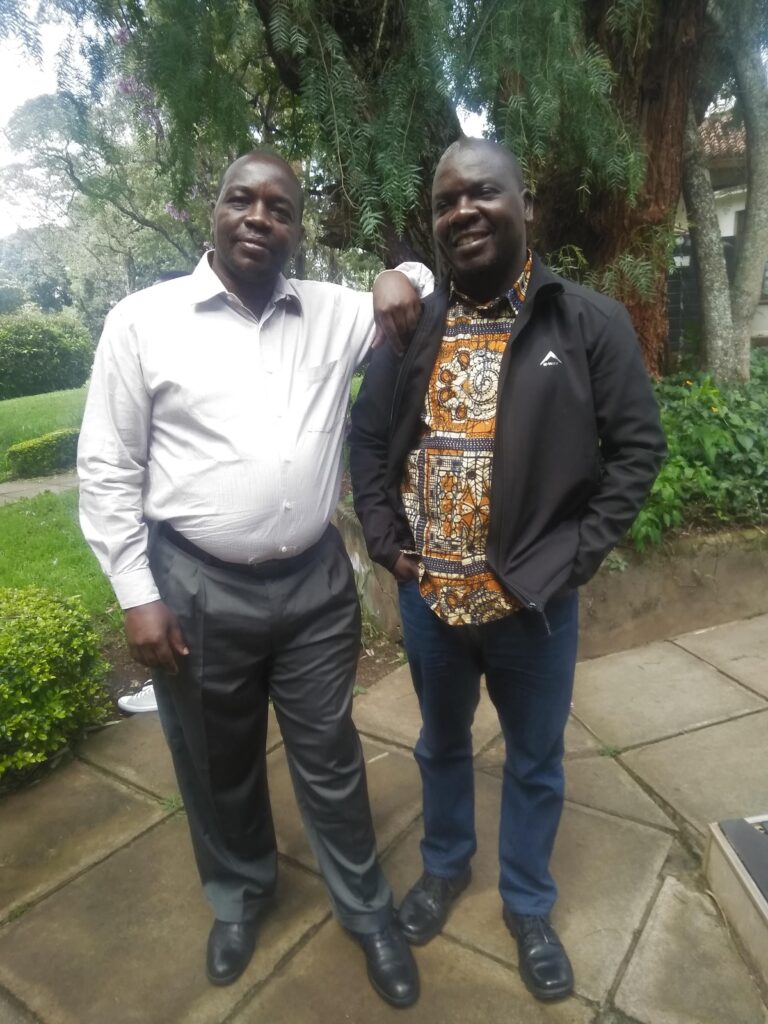
Mwarami was arrested and later imprisoned under the Penal Code for what was described as “allowing penetration.” This charge, deeply rooted in colonial morality rather than modern human rights standards, reflects the stark reality: consensual intimacy between adults is criminalized.
This case highlights two deeply concerning issues:
-
The Criminalization of Consent
In any fair legal system, consent is central. When two adults willingly engage in intimacy, the law should protect their rights — not criminalize their existence. Yet under Tanzanian law, same-sex intimacy is prosecuted regardless of consent. This erases the legal concept of mutual consent for LGBTQ+ people altogether, stripping them of basic autonomy. -
Denial of Legal Protection
Instead of recognizing Mwarami’s rights, the system punished him for being who he is. This is not just a legal injustice — it’s a violation of dignity, bodily autonomy, and fundamental human rights.
Mwarami’s story is not isolated. Many others have been detained, harassed, or forced into silence simply for existing outside heteronormative expectations. Without access to legal aid or knowledge of their rights, individuals are left defenseless in a system that views their identity as a crime.
Why Legal Agency Pathways Matter
A Legal Agency Pathway is not an abstract idea — it is a life-changing strategy to challenge injustice at its root.
For too long, the legal landscape has left LGBTQ+ Tanzanians without protection. Legal agency provides a structured process to equip individuals with knowledge, support, and tools to defend themselves.
At its core, the pathway includes:
-
🧑🏽⚖️ Access to free legal aid to ensure that no one stands alone when facing police, courts, or discriminatory systems.
-
📚 Know-your-rights education to build awareness of legal rights and protections under national and international law.
-
🏛️ Court representation and defense to challenge unjust arrests and criminalization.
-
🧠 Empowerment for self-advocacy, enabling individuals to speak up, report abuses, and demand justice.
This means that when someone like Mwarami is arrested, they have immediate legal support; when someone is harassed at work or expelled from school, they can challenge the decision; and when violations occur, they can seek justice without fear.
Criminalization Creates a Chain of Vulnerability
Criminalizing consensual same-sex intimacy sets off a chain reaction of vulnerability:
-
At the police level: LGBTQ+ people are more likely to be profiled, harassed, detained without cause, or denied their rights.
-
At the workplace: Many are dismissed or forced to resign when their sexual orientation or gender identity becomes known — with no legal recourse.
-
At schools: Young people face bullying, forced expulsions, or denial of education.
-
In communities: Fear of exposure silences victims of violence, preventing them from reporting abuse.
When people lack access to legal knowledge or representation, this chain tightens. It isolates individuals, weakens communities, and perpetuates cycles of injustice.
Our Role: From Defense to Empowerment
LGBT Voice Tanzania was founded on a simple but powerful belief: No one should be criminalized for who they are.
We are strengthening the Legal Agency Pathway to ensure that every LGBTQ+ person in Tanzania has access to legal protection and the power to advocate for themselves.
Our work includes:
-
🆓 Free legal aid: Immediate legal assistance for individuals facing criminal charges, workplace discrimination, or other violations.
-
⚖️ Court representation: Connecting individuals with lawyers and ensuring fair legal defense.
-
🧾 Human rights reporting: Documenting violations to build evidence for advocacy at national and international levels.
-
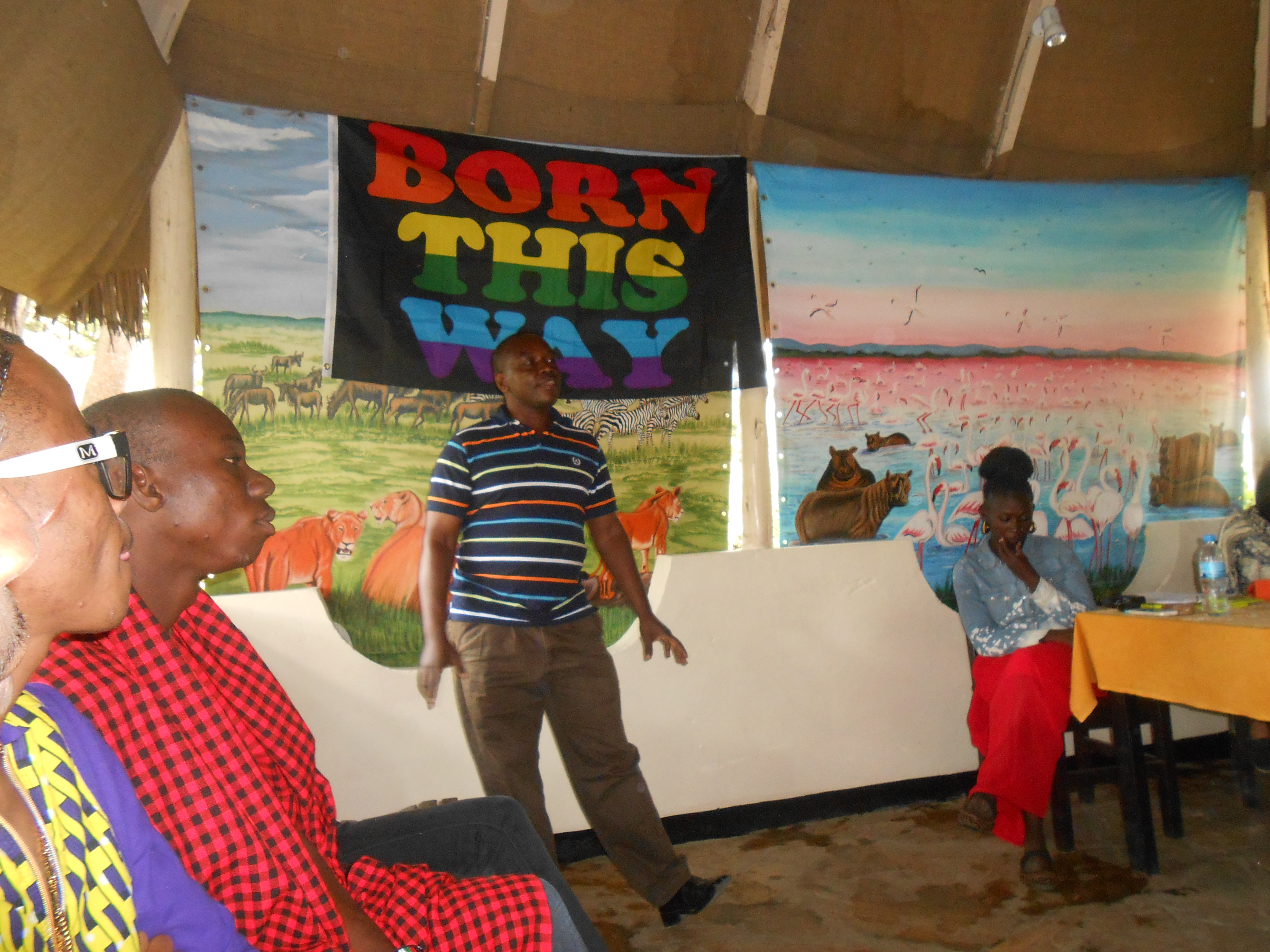
🧠 Know-your-rights workshops: Training LGBTQ+ individuals to understand and claim their rights.
Looking Ahead: Expanding Our Legal Reach
The fight for legal protection is ongoing. We are committed to expanding our reach, deepening impact, and ensuring no one is left behind.
Our future plans include:
-
Establishing a network of trained community paralegals across regions to respond quickly to arrests and violations.
-
Strengthening partnerships with legal organizations and pro bono lawyers.
-
Increasing public awareness campaigns to challenge stigma and change harmful narratives.
-
Scaling legal literacy initiatives to reach more vulnerable communities in both rural and urban areas.
Legal literacy is not just about knowing the law — it’s about using the law to protect oneself and demand justice.
The Power of Consent and Dignity
Revisiting Mwarami’s case reminds us why this work matters.
Consent should be a universal legal principle, not one selectively applied. No person should be punished for engaging in consensual intimacy. No one should be treated as a criminal simply for existing.
Recognizing and protecting consent is not just a legal necessity — it is a human rights imperative. It affirms dignity, bodily autonomy, and equality before the law. By defending these principles, we defend humanity itself.
Legal Literacy Saves Lives
When people understand their rights, they can challenge abuse.
When legal aid is available, injustice can be confronted.
When communities are empowered, the law transforms from a weapon into a shield.
Legal literacy reduces vulnerability, strengthens communities, and builds resilience in the face of systemic discrimination. It ensures that individuals like Mwarami are not forgotten, not silenced, and not left alone.
A Call to Action
We envision a Tanzania where legal protection is not a privilege — it’s a right for everyone, including LGBTQ+ people.
But building this vision takes collective effort. We need:
💬 Allies and advocates who believe in justice.
💰 Donors and partners who can help us sustain and expand legal aid services.
📢 Communities and individuals ready to stand up, speak out, and demand change.
Your support makes it possible to provide emergency legal aid, defend people in court, document violations, and build a legal movement that protects all.
🕊️ “When we know the law, we can change the law.”
Together, we can create a future where no one is criminalized for who they are or who they love.
👉 Support legal empowerment.
👉 Stand for consent.
👉 Defend dignity.