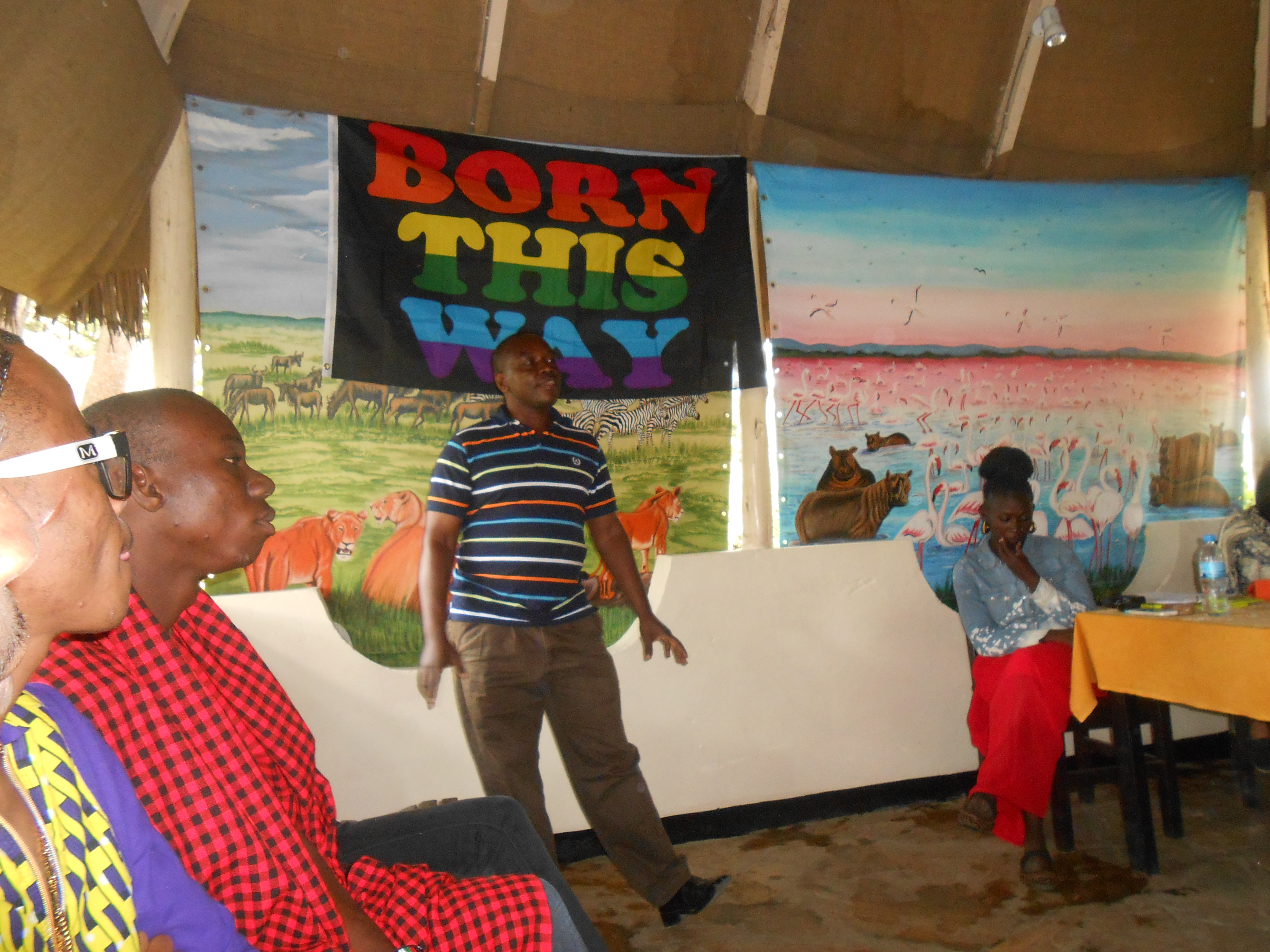
Every February, LGBTQ+ History Month invites the world to reflect on stories that were silenced, struggles that were ignored, and movements that refused to disappear. In Tanzania, this month is not only about history. It is about the present. It is about people living under laws that criminalize their existence, navigating daily uncertainty, and still finding ways to build community and hope.
For the international community, it is important to understand clearly what LGBTQ+ rights mean in the Tanzanian context. This is not an abstract policy debate. It is about safety, access to healthcare, family rejection, economic survival, and the simple right to live without fear.
A Nation of Humanity, Peace, and Respect
Tanzania is built on deeply rooted values: utu (humanity), amani (peace), and heshima (respect). These are not slogans. They shape how communities resolve conflict, care for neighbors, and define belonging. The difficult question we must confront is whether these values are applied equally.
When LGBTQ+ Tanzanians are denied housing, expelled from families, bullied in schools, or turned away from services, the issue is not cultural preservation. It is exclusion. LGBTQ+ History Month challenges us to examine whether dignity is truly universal in practice.
The Legal Reality: Colonial Laws, Modern Consequences
Tanzania continues to criminalize consensual same-sex intimacy under provisions inherited from British colonial rule. These laws, introduced in the 19th century, were never indigenous to African societies. They were part of a broader colonial project that regulated morality according to Victorian standards.

Historical research shows that pre-colonial African societies recognized diverse gender roles and relational structures. While not identical to contemporary LGBTQ+ identities, these histories undermine the claim that sexual and gender diversity is foreign to Africa.
Today, the continued existence of colonial-era criminal provisions creates a climate of fear. Even when prosecutions are inconsistent, the law legitimizes stigma. It enables arbitrary arrest, fuels blackmail, and discourages people from reporting violence. Criminalization becomes a tool of social control.
What This Means in Daily Life
Behind legal terminology are real Tanzanians. Students forced to leave school due to bullying. Young adults expelled from their homes. Professionals dismissed from employment because of perceived identity. Individuals afraid to seek medical care because disclosure could result in exposure.
Common challenges reported within community networks include:
-
Fear of arrest or police harassment
-
Family rejection and social isolation
-
Evictions and employment discrimination
-
Limited access to safe healthcare
-
Severe mental health strain caused by concealment and stigma
Healthcare remains a particularly urgent issue. Across sub-Saharan Africa, data consistently show that criminalization correlates with reduced access to HIV prevention and treatment services among key populations. Fear drives people underground. Public health suffers when individuals cannot seek care safely.
This is not theoretical. It affects outcomes, life expectancy, and long-term wellbeing.
Beyond Headlines: Resilience and Quiet Organizing
Despite the risks, LGBTQ+ Tanzanians continue to organize. Much of this work happens quietly. Visibility can carry consequences, so resilience often takes the form of discreet support systems.