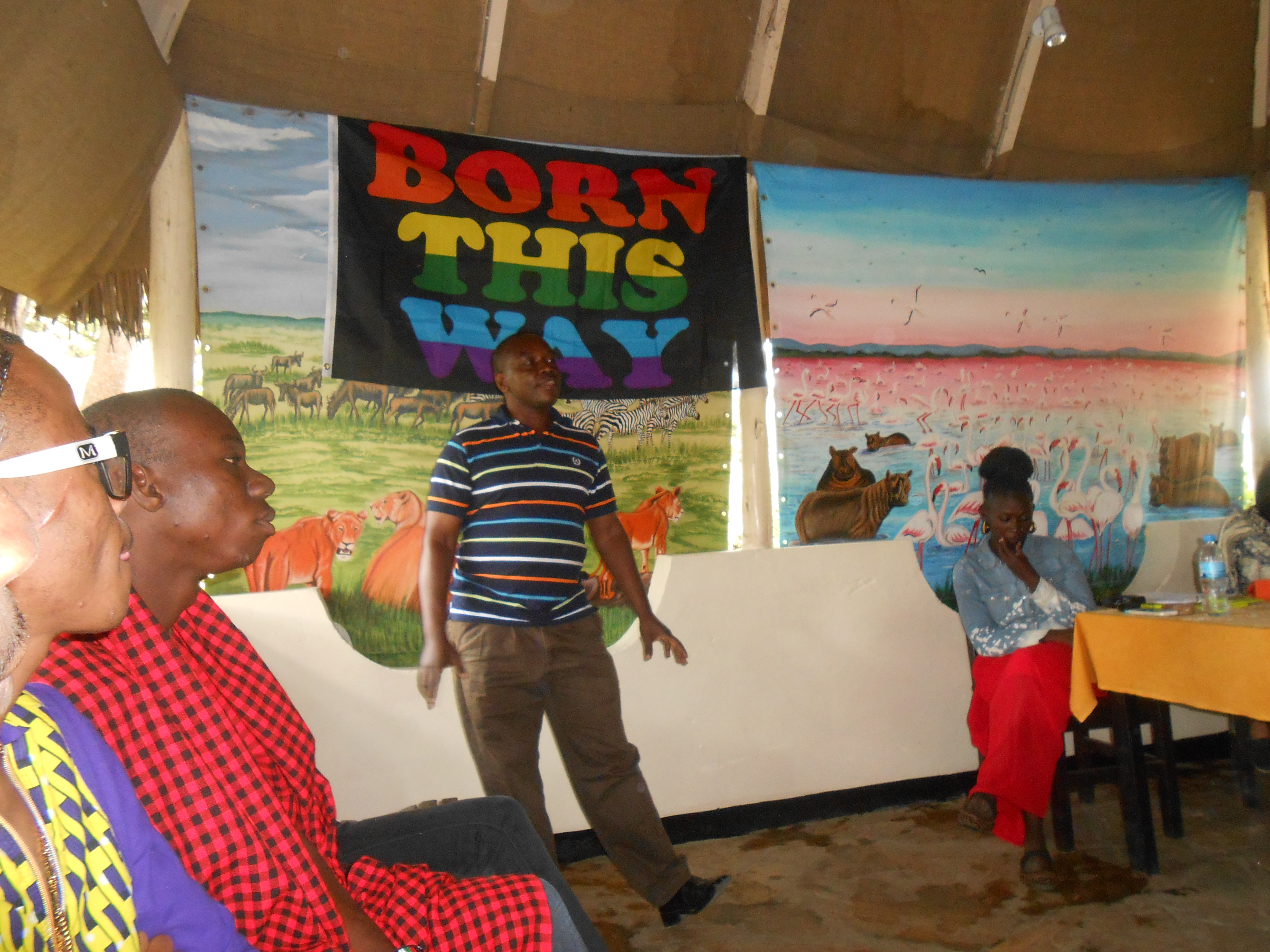
Across Tanzania, lesbian, gay, bisexual and transgender people continue to navigate structural barriers embedded in law, policy, and social norms. Criminalisation of same-sex intimacy, stigma reinforced by public rhetoric, and weak protection mechanisms create an environment where discrimination is systemic rather than incidental. In such a context, LGBT Voice Tanzania is not symbolic. It is a structural necessity.
Our vision is clear: a world where LGBT+ people can thrive free from the limitations imposed by gender identity and sexual orientation oppression. Our mission translates that vision into practical action—building a strong and vibrant future for LGBT+ communities in Tanzania by meeting immediate needs, advancing rights, and affirming dignity.
As one community member we supported stated:
“When I was arrested, I thought my life was over. Having someone stand beside me in court changed everything. For the first time, I felt I was not alone.”
That is the difference institutional support makes. Legal vulnerability is not abstract. It manifests in arrests, blackmail, forced evictions, and family rejection. Even where prosecutions are inconsistent, the presence of criminal provisions legitimises harassment and deters reporting.
Without organised legal aid and structured advocacy, individuals confront these risks in isolation.
Protection in Moments of Crisis
Our emergency response mechanisms—temporary shelter, relocation assistance, and crisis support—exist because threats are immediate and often violent. Protection cannot be theoretical.
A beneficiary who accessed relocation support shared:
“I had nowhere to go. My family had turned against me. The emergency shelter gave me space to breathe and rebuild.”
Emergency intervention is not charity. It is harm prevention. It disrupts cycles of violence and prevents homelessness, exploitation, and further abuse.
Mental Health as Stabilisation
Sustained stigma produces psychological distress. Through structured non-medical mental health support, we help individuals regain stability and confidence. Community-based psychosocial support reduces isolation and restores agency.
As one participant in our support sessions noted:
“I stopped blaming myself. I realised the problem was not who I am—it was the discrimination around me.”
This shift—from internalised stigma to self-affirmation—is foundational to resilience.
From Individual Cases to Structural Advocacy
To date, we have served more than 1,000 individuals across legal aid, emergency support, and psychosocial programming. Each case informs our broader advocacy. Patterns of abuse are documented, analysed, and elevated into national and international accountability spaces.
Our contribution to the Universal Periodic Review (UPR) process ensured that violations affecting LGBT+ Tanzanians entered formal human rights review mechanisms. Documentation transforms lived experience into policy evidence.
As our advocacy team consistently affirms:
“Service without advocacy treats symptoms. Advocacy without service lacks credibility. We do both because systemic change requires both.”
The Broader Impact
The existence of LGBT Voice Tanzania produces measurable effects:
-
Increased reporting of violations due to trust in community-based legal support.
-
Reduced exposure to repeat abuse through rapid intervention.
-
Greater visibility of LGBT+ rights concerns in national and international human rights platforms.
-
Strengthened community cohesion in a climate designed to fragment it.
In restrictive environments, institutional presence alters power dynamics. It signals that abuse will be challenged and that LGBT+ Tanzanians are rights-bearing citizens.
Why We Must Continue
A society is measured by how it protects its most marginalised members. The continued existence of LGBT Voice Tanzania affirms that dignity is not negotiable.
As one staff member reflected:
“Our work is about survival today and equality tomorrow. We respond to crises, but we are building a future.”
That future is one where emergency shelters are no longer needed, where legal aid is not required for identity-based arrests, and where advocacy shifts from defensive to developmental.
Until that future is realised, our presence remains essential.
We invite allies, advocates, and members of the public to amplify this work. Structural change is never achieved in isolation. It is built through sustained solidarity, evidence-based advocacy, and collective voice.