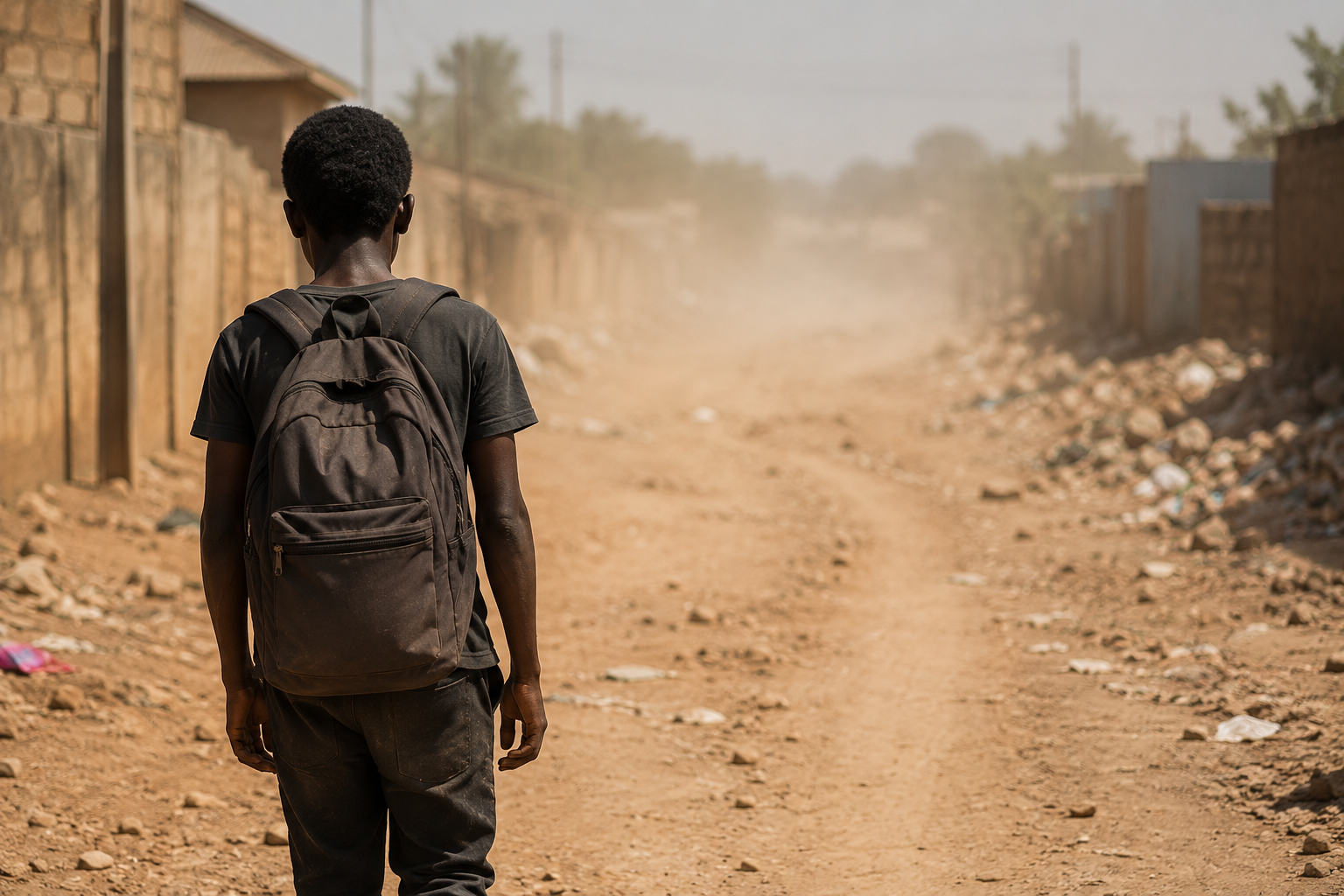
A young man arrived at our office carrying nothing but a small backpack. Just days earlier, rumors had spread through his community accusing him of “recruiting children into homosexuality.” The accusations were entirely false. Yet within a week, he had been forced out of his family home, dismissed from his job, and threatened by members of his community. Fearful for his safety, he fled with nowhere else to go.
His story is not unique.
At LGBT Voice Tanzania, we receive requests for emergency assistance almost every day from lesbian, gay, bisexual, transgender, and queer (LGBTQ+) individuals whose lives have been disrupted not only by discrimination, but by misinformation, disinformation, and deliberate campaigns designed to dehumanize them.
For many people outside Tanzania, misinformation may appear to be an online problem. For us, it is a human rights issue with real consequences. It separates families, fuels violence, prevents people from accessing healthcare, discourages victims from seeking justice, and creates an environment where prejudice is accepted as truth.
Combating misinformation is therefore not simply about correcting false claims. It is about protecting lives, strengthening communities, and defending the fundamental principle that public discourse should be guided by facts rather than fear.
Understanding the Difference
Not all false information is created equally.
Misinformation is false or inaccurate information shared by people who believe it to be true. A person may genuinely believe that homosexuality is a recent Western import and unknowingly repeat that claim without verifying its accuracy.
Disinformation is intentionally false information created or shared to deceive people. Coordinated campaigns portraying LGBTQ+ organizations as threats to children or society are examples of disinformation intended to provoke fear and hostility.
Malinformation involves using truthful information out of context or exposing private information with the intention of causing harm. Publicly revealing someone’s sexual orientation or gender identity without their consent, encouraging harassment, violence, or arrest, is one example.
Although different, all three forms of harmful information produce the same result: they undermine human dignity, reinforce discrimination, and increase the vulnerability of already marginalized communities.
Misinformation Is Fueling a Human Rights Crisis
Public opinion is shaped by the information people consume. When inaccurate stories are repeated often enough through political speeches, religious sermons, traditional media, social media platforms, and messaging applications, many begin to accept those stories as facts.
The consequences are devastating.
Every week, LGBT Voice Tanzania receives requests from LGBTQ+ individuals who have experienced one or more of the following:
- Family rejection after false accusations or public rumors.
- Forced eviction and homelessness.
- Physical violence and intimidation.
- Blackmail and extortion.
- Workplace discrimination or dismissal.
- Expulsion from schools or educational institutions.
- Public outing through social media.
- Denial of healthcare because of stigma.
- Arbitrary arrests, harassment, or fear of interacting with authorities.
Behind every statistic is a human being whose life has been profoundly affected by false narratives that continue to circulate unchecked.
What Our Research Reveals
Our research, Lived Realities of LGBTQ+ People in Tanzania, documents the daily challenges experienced by LGBTQ+ communities across the country.
Participants consistently reported experiencing discrimination, violence, family rejection, barriers to healthcare, exclusion from education, unemployment, and threats to their personal safety.
Many respondents described avoiding hospitals because they feared discrimination or exposure.
Others reported losing employment after rumors about their sexual orientation spread within their workplaces.
Many experienced homelessness after being rejected by their families.
Cases of blackmail, extortion, online harassment, and physical violence were common themes throughout the research.
These experiences demonstrate that misinformation does not exist in isolation. It contributes directly to human rights violations by legitimizing prejudice and encouraging discrimination.
Debunking Common Myths
False narratives about LGBTQ+ people continue to circulate despite overwhelming evidence to the contrary. Addressing these myths is essential to building a more informed and compassionate society.
Myth 1: Homosexuality is “un-African.”
This claim is historically inaccurate.
Historical and anthropological research has documented diverse expressions of sexual orientation and gender identity across numerous African societies long before colonial rule. While attitudes varied across communities, same-sex relationships and gender diversity were not introduced to Africa in modern times.
Ironically, many of the laws used today to criminalize consensual same-sex relationships originated during the colonial period and were incorporated into legal systems under European administration.
Myth 2: LGBTQ+ organizations recruit children into homosexuality.
This is one of the most persistent and harmful falsehoods.
LGBT Voice Tanzania does not recruit anyone into a sexual orientation or gender identity.
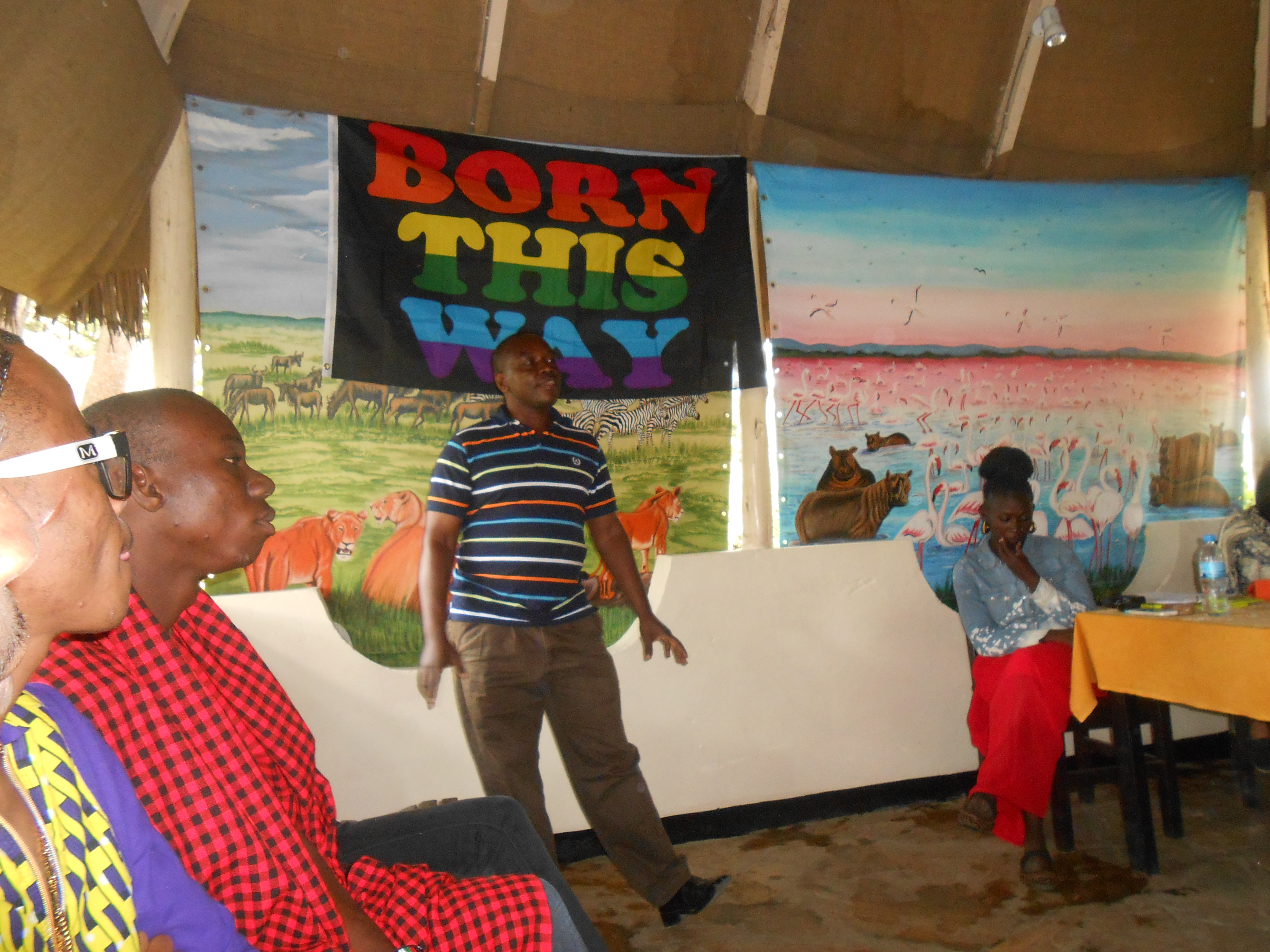
Our work focuses on protecting people from violence, providing legal assistance, supporting survivors of abuse, delivering psychosocial support, conducting human rights education, and advocating for equal access to justice.
Scientific research has consistently found no evidence that a person’s sexual orientation can be created or changed through recruitment, persuasion, or exposure to LGBTQ+ people or organizations.
Myth 3: LGBTQ+ rights threaten families and society.
Protecting the rights of LGBTQ+ individuals does not reduce the rights of anyone else.
Human rights are universal. Ensuring that every person can live free from violence, discrimination, and arbitrary persecution strengthens communities by promoting justice, public health, and social stability.
Where Misinformation Comes From
False information rarely spreads by accident.
In Tanzania, misinformation about LGBTQ+ people is often amplified through:
- Sensationalized media coverage.
- Misleading social media posts.
- Unverified messages shared through WhatsApp groups and other messaging platforms.
- Political rhetoric that portrays LGBTQ+ people as threats rather than citizens deserving equal dignity.
- Religious sermons that repeat unsupported claims without reference to scientific evidence or human rights principles.
The rapid spread of digital communication means false information can reach thousands of people within hours, often traveling much faster than verified facts.
The Human Cost
The impact extends far beyond public perception.
When communities accept misinformation as truth:
Families abandon their children.
Young people become homeless.
People avoid hospitals until medical conditions become emergencies.
Victims remain silent after experiencing violence because they fear further discrimination.
Employers dismiss workers based on rumors.
Students leave school.
Human rights defenders face harassment for providing legal aid or humanitarian assistance.
Entire communities become isolated from essential public services.
Misinformation creates an environment in which discrimination appears acceptable and violence becomes easier to justify.
Why This Matters to Donors and International Partners
International support plays a critical role in challenging misinformation and protecting vulnerable communities.
Every contribution to LGBT Voice Tanzania enables us to respond where the need is greatest.
With adequate resources, we can:
- Provide emergency legal representation.
- Relocate individuals facing immediate threats.
- Deliver trauma-informed counselling and psychosocial support.
- Produce evidence-based research documenting human rights violations.
- Conduct community education that challenges myths with facts.
- Engage journalists and civil society organizations in responsible reporting.
- Strengthen digital literacy and online safety.
- Advocate for policies that uphold human rights and protect privacy.
However, the demand for assistance continues to exceed our available resources. Every day, we receive more requests for help than we are able to meet.
Behind every unanswered request is a person waiting for safety, justice, or simply someone willing to listen.
What We Can All Do
Combating misinformation requires collective action.
Individuals should verify information before sharing it, question sensational claims, protect the privacy of LGBTQ+ people, and promote respectful conversations grounded in evidence.
Journalists should verify sources, avoid sensational reporting, include diverse voices, and adhere to ethical reporting standards that prioritize accuracy and dignity.
Religious leaders can foster dialogue rooted in compassion, avoid repeating unverified claims, and recognize the profound harm that misinformation can inflict on vulnerable communities.
Policymakers should ensure that public policy is informed by credible evidence, protect freedom of expression and privacy, and reject narratives that encourage discrimination or violence.
International partners and donors can strengthen local organizations that document human rights violations, provide emergency support, produce reliable research, and promote evidence-based public education.
Standing Together for Truth
The fight against misinformation is inseparable from the fight for human rights.
When falsehoods become accepted as facts, vulnerable communities pay the highest price. Truth becomes more than an abstract principle—it becomes a form of protection.
At LGBT Voice Tanzania, we remain committed to challenging misinformation through research, education, legal advocacy, community engagement, and direct support for those whose lives are placed at risk by prejudice and false narratives.
But we cannot do this alone.
We invite donors, development partners, journalists, researchers, civil society organizations, and allies around the world to stand with us.
Support independent research.
Promote factual reporting.
Challenge harmful myths.
Invest in local organizations that defend human rights.
Help ensure that every LGBTQ+ person in Tanzania can live with dignity, safety, and hope.
Because misinformation spreads quickly.
But together, truth can travel further.
Your support enables us to provide legal aid, emergency protection, psychosocial support, research, advocacy, and public education for LGBTQ+ communities across Tanzania.
Together, we can replace fear with facts, prejudice with understanding, and silence with hope.